Concepts…
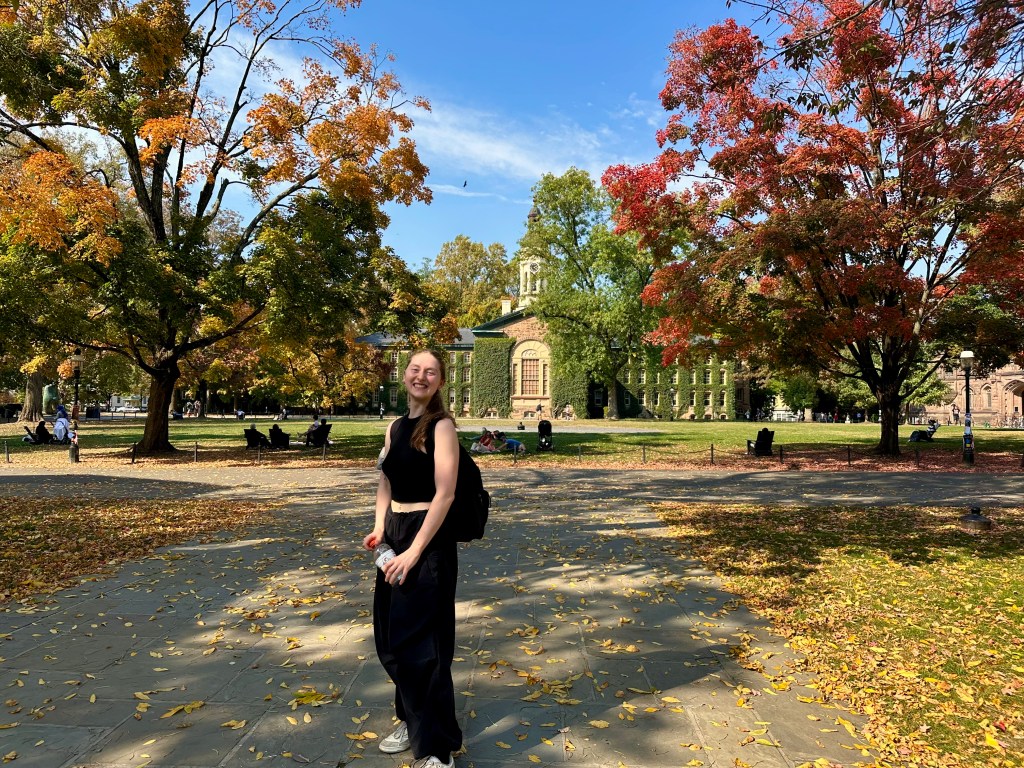
Visiting another lab or research group during your PhD can be an incredible opportunity to expand your thinking and broaden your academic horizons, connecting with scholars both within your field and beyond your specific research focus. Recently, I had the privilege of spending time at Princeton University, exploring my own research on music-evoked imaginings together with the Music Cognition lab there, and diving into interdisciplinary discussions within a diverse intellectual community. In this post, I want to share my experiences of soaking up all that collaborative research visits can offer (should you be brave enough to grasp it with both hands!) and provide some reflections on the value of engaging within and across disciplinary boundaries. The joys and excitement of seeing research thrive through interdisciplinarity! Hopefully, this will encourage and push others to seek out the same for their own research.
Conversations… Music-Evoked Imaginings Workshop
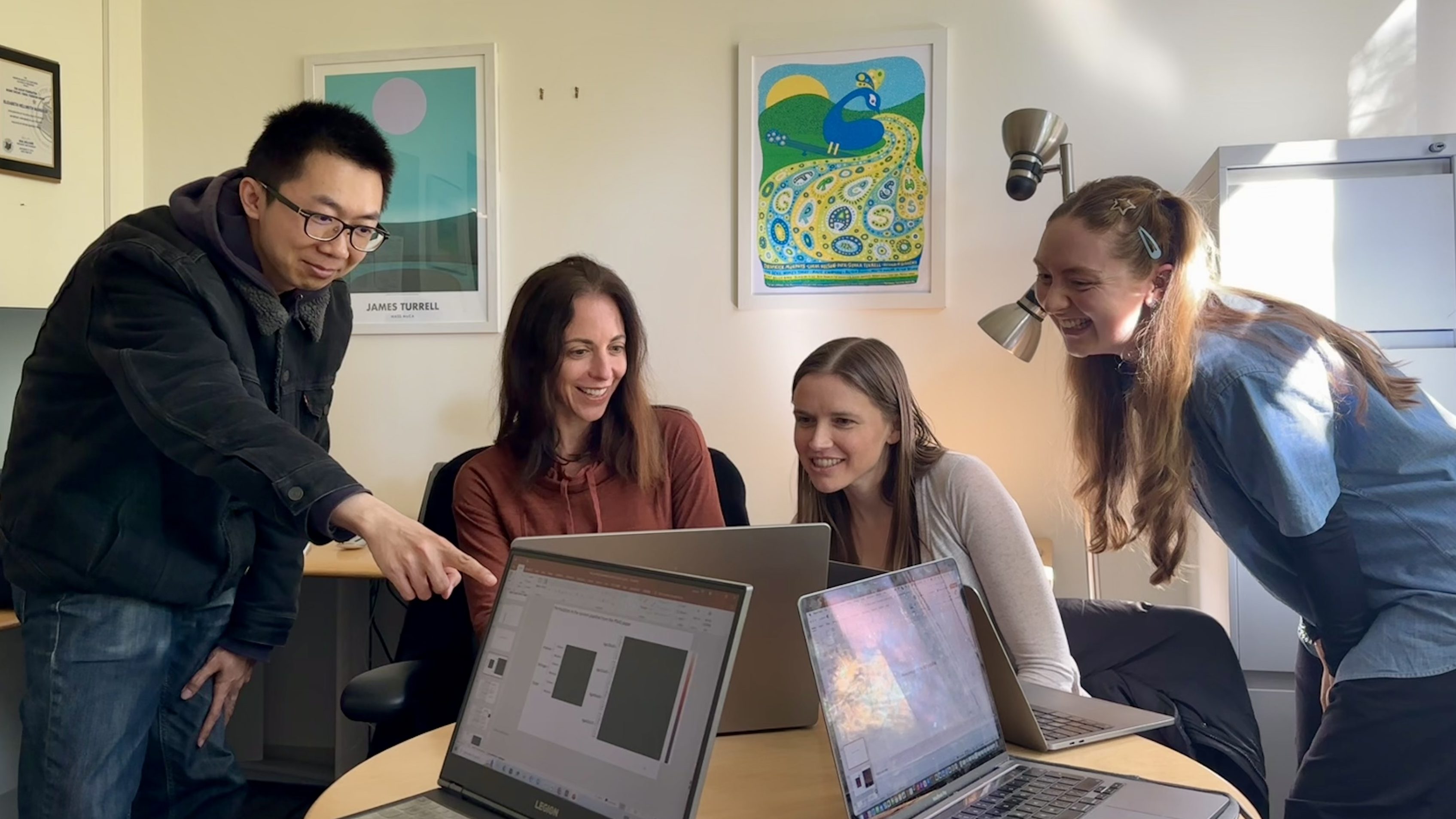
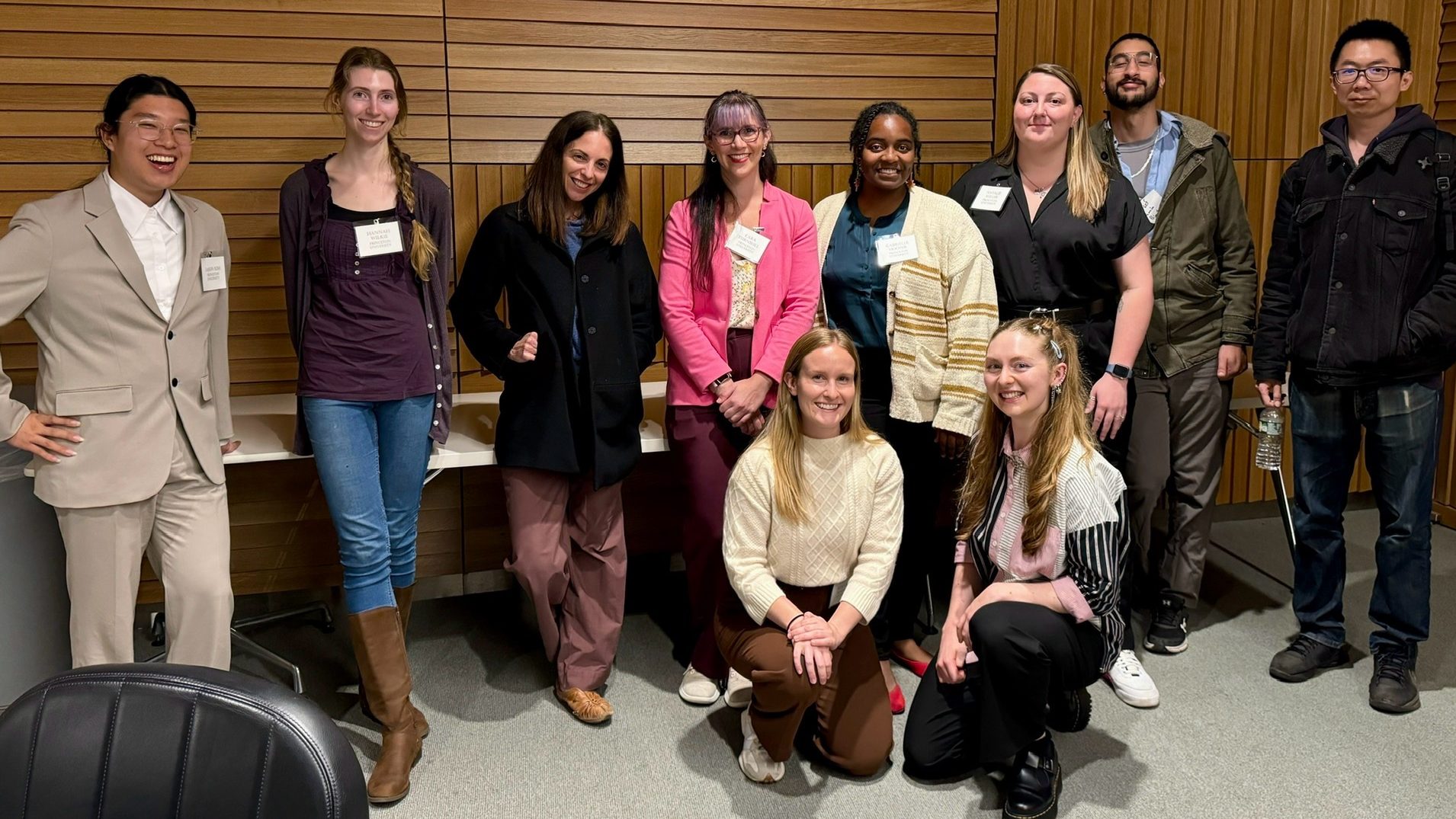
One of the standout experiences of my visit was attending the Music-Evoked Imaginings workshop, which brought together scholars from a wide range of fields and institutions to explore imagination, memory, and spontaneous thought. It was fascinating to see experts from various fields—including cognitive psychology and neuroscience—come together to share and discuss their unique perspectives on investigating imagination.
For me, as a music psychology PhD student, I’m used to thinking about these questions from the perspective of music, so seeing the diversity of approaches to the same topic but through different lenses was truly fascinating. The range of methodologies and conceptual frameworks from this multidisciplinary group really struck me and helped me think more broadly about my own research. How are our terms and definitions of concepts like ‘imagination’ and ‘spontaneous’ thought informing our approach to studying mental landscapes? Can music be considered both a deliberate and automatic constraint on imagination, dynamically informing and enriching dynamic transitions between thoughts? What assumptions about the interplay of thought types are we bringing to our investigations—for example, how does counterfactual memory reconstruction shape imaginative experiences during music listening?
This workshop showcased just how much interdisciplinary collaboration can enrich our understanding of complex phenomena. It made me think about how different disciplines can offer unique insights, even when looking at the same subject. Engaging fully in conversations and co-conceptualising reinforced how important stepping outside of our own research silos is and considering how others might approach the same questions.
Connections… Music Interdisciplinarity
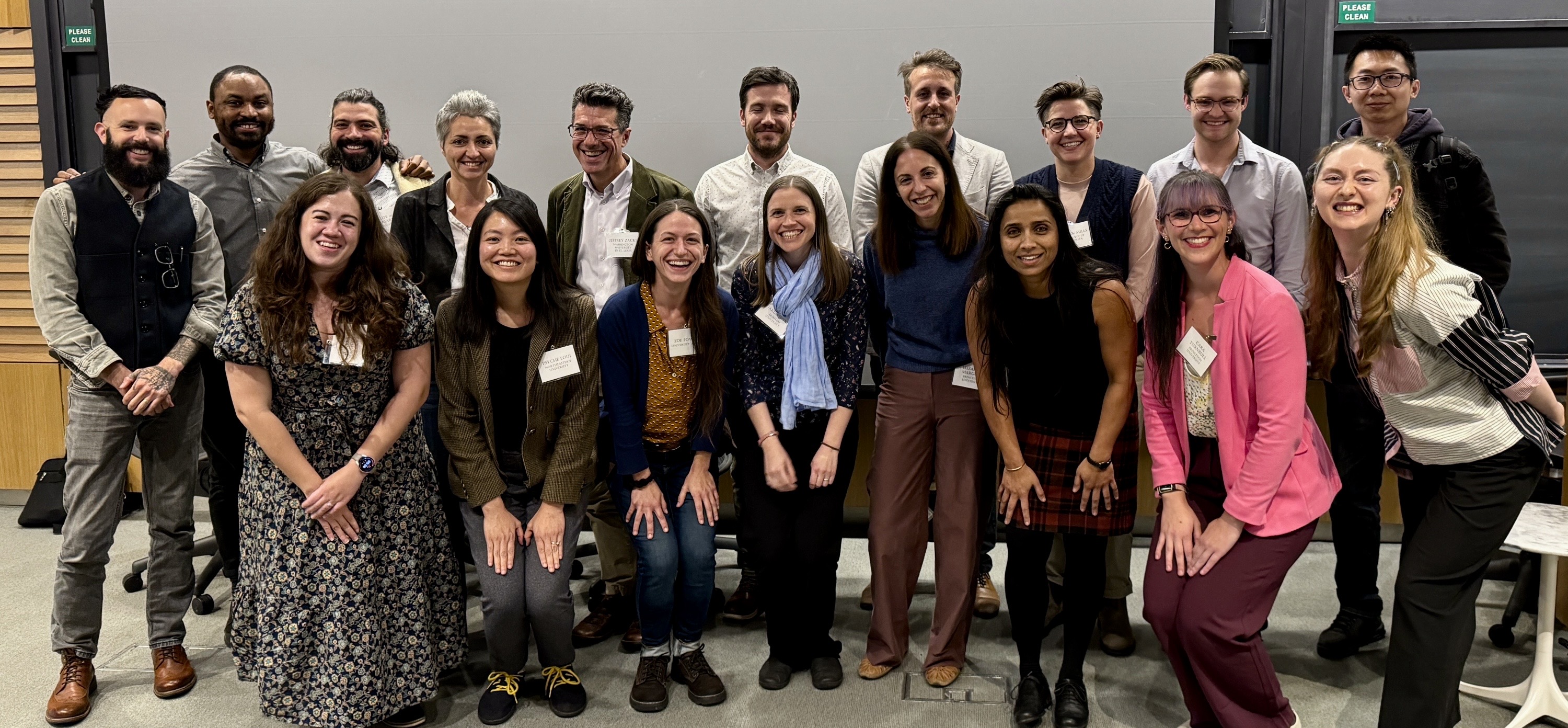
During my visit, I also had the chance to attend a graduate seminar on Music Interdisciplinarity. We were encouraged to think about how we can communicate across subdisciplines like music history, theory, and psychology. What made this seminar even more enlightening was the graduate student’s mix of research area interests and the willingness to engage with and see what we could glean from each other’s domain.
One session involved comparing papers written for narrow academic audiences with those aimed at a broader readership in music studies. Together, we unpicked the trade-offs of depth offered by disciplinary-specific research versus the broader connections and innovative insights aimed for in interdisciplinary work. What do we lose when we try to appeal to everyone? Even though we all came up against challenges in trying to understand and to bridge the gaps between different fields, we saw how doing so can spark new ideas and lead to more innovative work. Interdisciplinary research requires finding common ground and learning how to communicate across different academic ‘languages’. Yet, that very challenge is what makes it so rewarding—it pushes you to think creatively and see your work in new contexts.
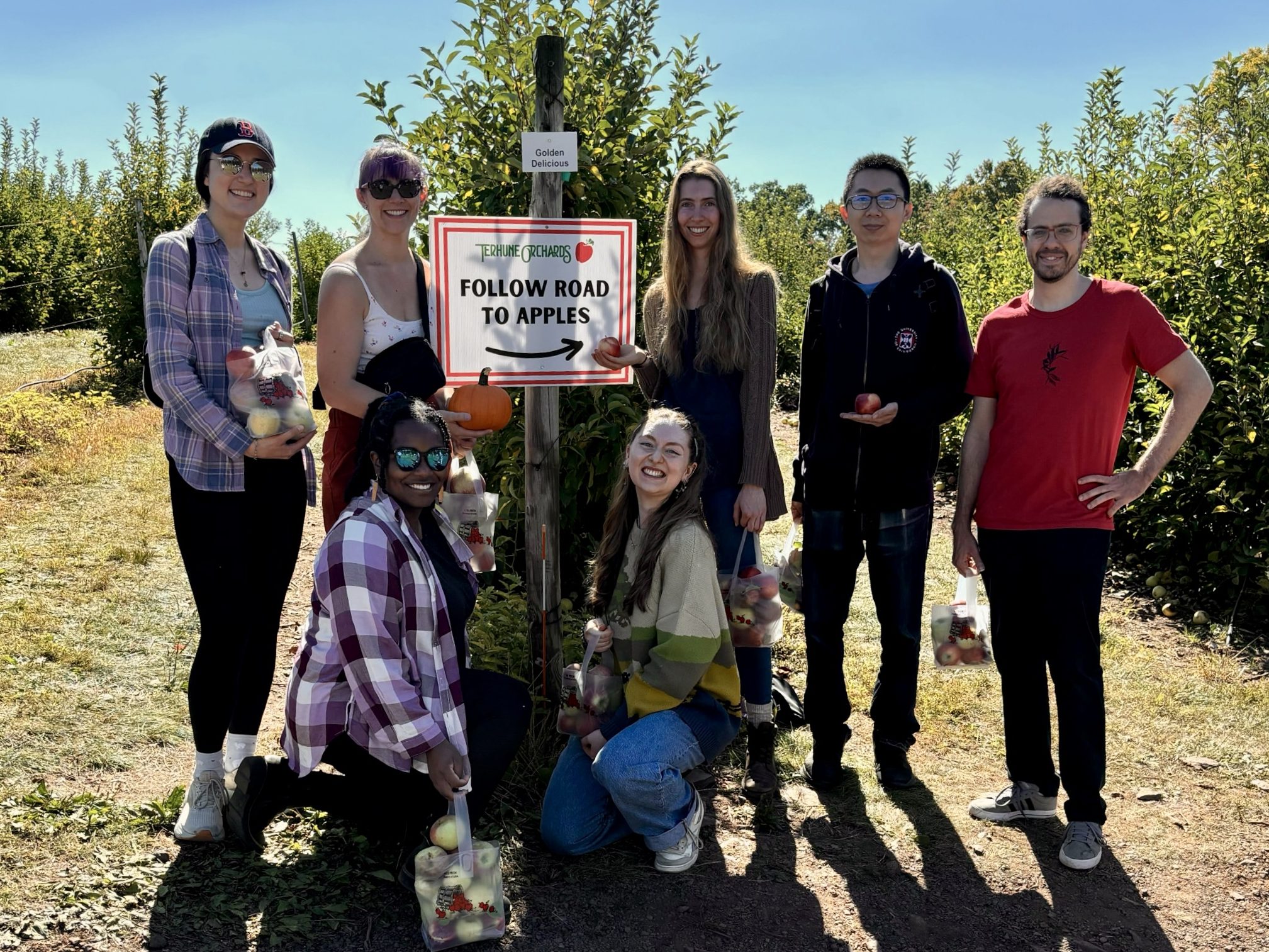
Collaborations… The Value of Sustained Interdisciplinary Dialogue
One of the most valuable takeaways from my visit was the importance of sustained dialogue between disciplines. Whether through formal workshops, seminars, or even informal discussions over coffee, I found that talking to people with different perspectives and conceptual frameworks really stretched and challenged my understanding of my own research. It was refreshing to step outside the bubble of music psychology and see how cognitive scientists or music historians might think about similar questions in completely different ways.
Immersing myself in the interdisciplinary environment at Princeton was not only intellectually stimulating but also a great reminder of how important it is to keep collaborating across fields. This experience has made me more aware of the potential for interdisciplinary connections back at Durham, where there are researchers with diverse interests in music across several departments. These conversations have sparked new ideas for my own research and visions for future possibilities with continued connection and collaborations—I’m eager to see how these exchanges will continue to shape my work and to continue building on the collaborative momentum from my time at Princeton.
Conclusion.
Research visits are about more than just advancing your own project—they’re an opportunity to immerse yourself in a new intellectual environment, collaborate with peers, and engage with different perspectives. My time at Princeton broadened my horizons in ways I didn’t expect, deepening my understanding of interdisciplinary research and collaboration.
For anyone considering a research visit, I encourage you to seek out experiences that push you beyond the boundaries of your own discipline. Whether through interdisciplinary workshops, seminars, or casual conversations, engaging with diverse perspectives and methodologies can enrich your capabilities as a researcher, spark new directions for your own work, and open up new avenues for collaboration. My visit to Princeton has certainly left a lasting impact on me, and I hope this post inspires you to explore similar opportunities.

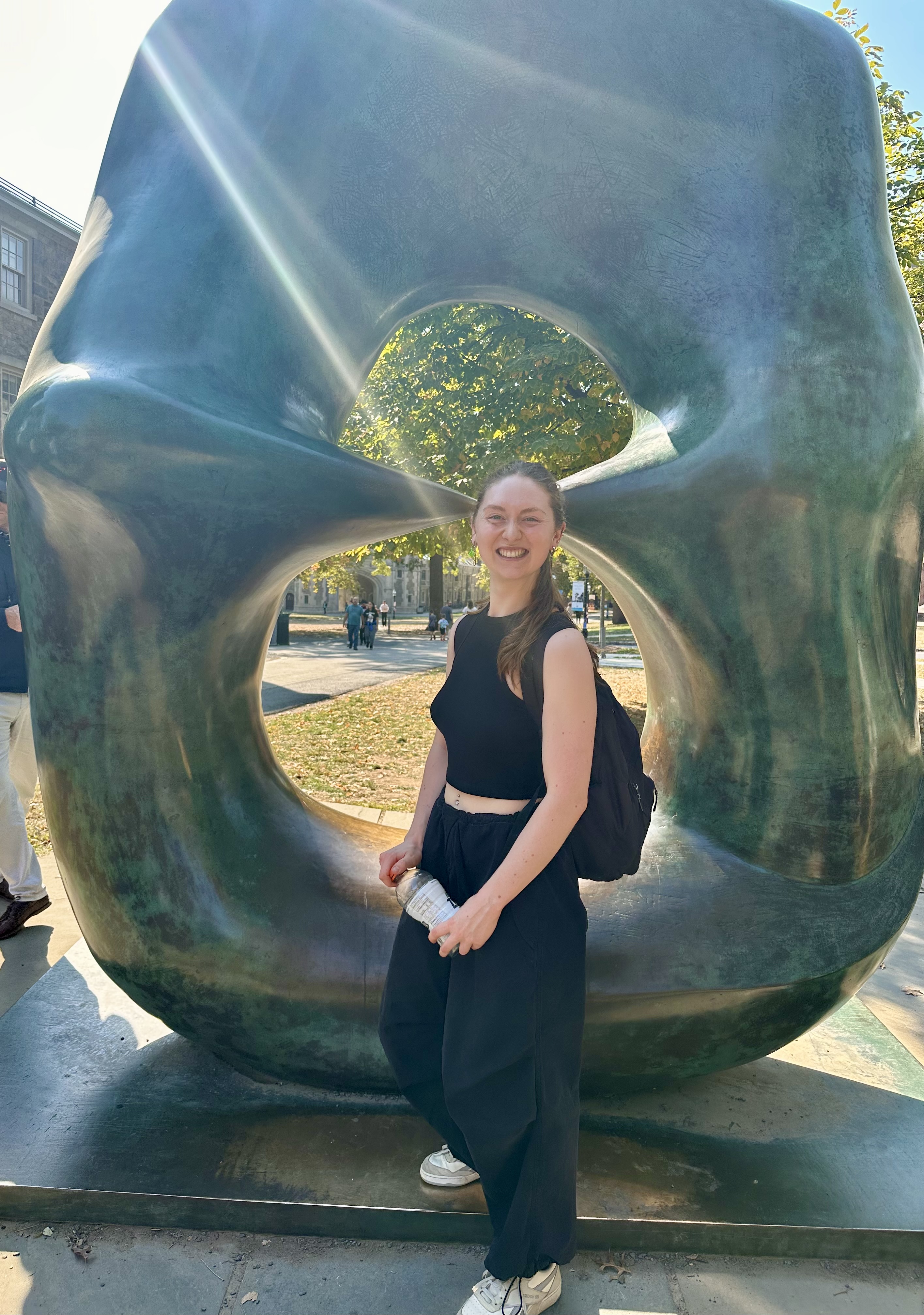
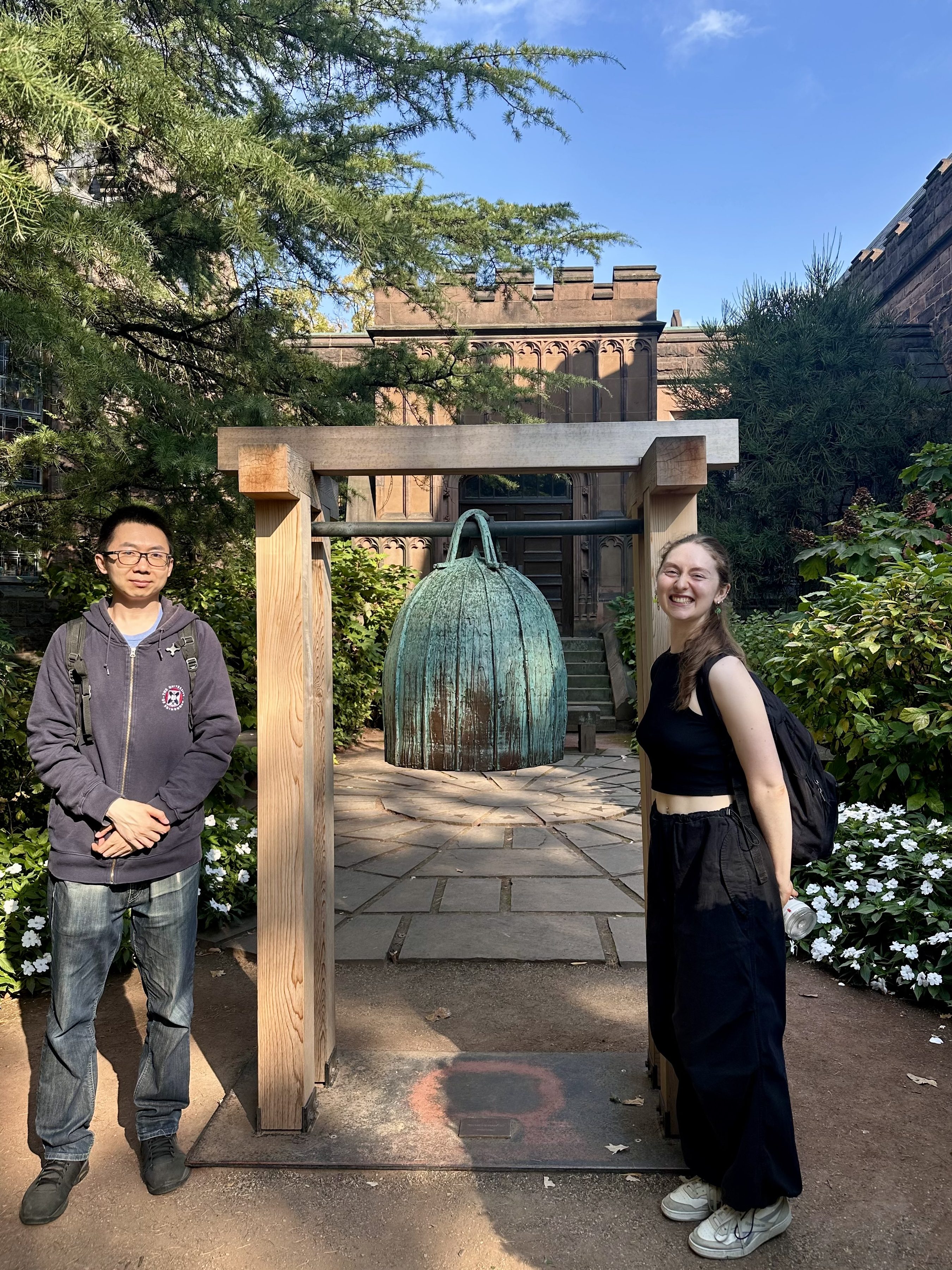
Many, many thanks to Lisa and the entire Music Cognition lab over at Princeton who have made me feel so welcomed and involved from the moment I arrived. Your enthusiasm for collaboration and willingness to share insights between our projects have inspired me immensely. I leave feeling energised and motivated in my own studies, and I’m truly excited to follow the emerging work from your lab in the future! Thank you for making my time here so memorable—it’s been a game changer.

 Music & Science
Leave a comment